The Hidden Cost of Cancelling Your PMS: Termination Fees That Catch Hosts Off Guard
Trustpilot
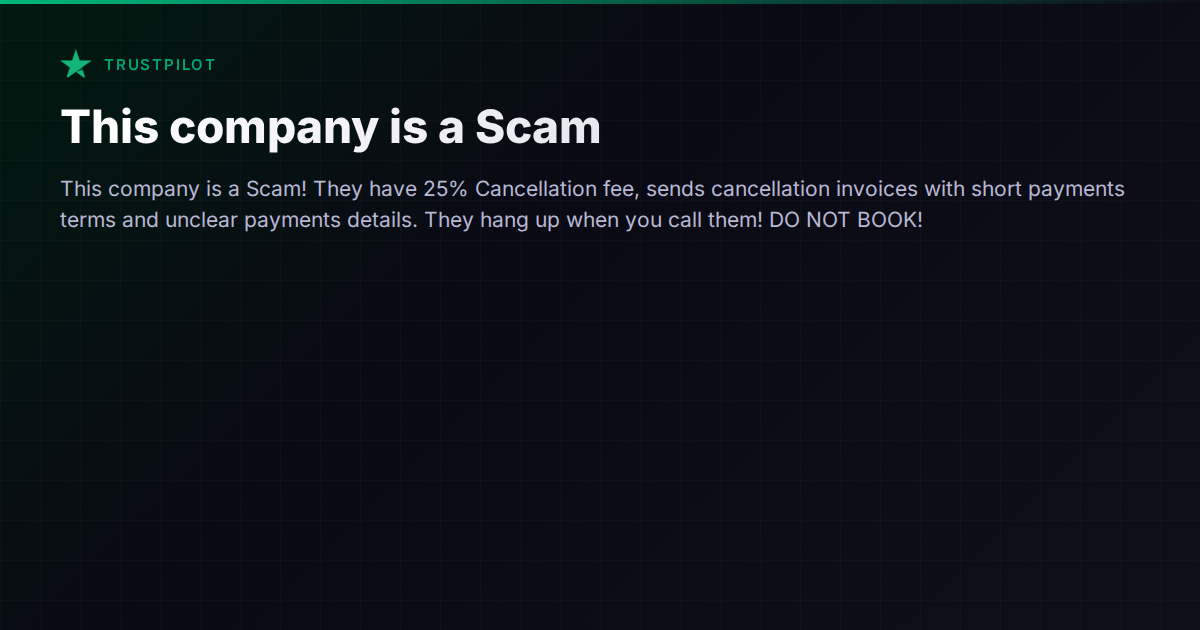
TL;DR: Author calls Guesty a scam, citing a 25% cancellation fee, unclear payment terms on invoices, and unresponsive support that hangs up on calls.
You signed up for a property management platform to simplify your life. Now you want to leave, and the exit bill is larger than several months of service. If this sounds familiar, you’re not alone — it’s one of the most common complaints across PMS review sites in 2026, and it rarely gets discussed during the sales process.
The Pattern: Easy In, Expensive Out
A recent Trustpilot review of Guesty captures the frustration in blunt terms: the reviewer reports a 25% cancellation fee, invoices with short payment windows and unclear line items, and support that disconnected the call when they tried to resolve it. The reviewer’s one-word verdict — “scam” — is extreme, but the underlying experience maps to a pattern that shows up across multiple platforms.
Early termination fees in PMS contracts aren’t unusual. Many enterprise-tier tools lock you into annual (or multi-year) agreements, and the cancellation penalty is buried in terms of service that few operators read line by line before onboarding. The fee structures vary — some charge a flat percentage of the remaining contract value, others bill for a fixed number of months, and a few simply refuse refunds on prepaid annual plans.
The frustration compounds when the invoice arrives with vague descriptions, short payment deadlines, and no clear path to dispute the charge. When support is unresponsive — or worse, hangs up — the operator is left feeling trapped.
Why This Keeps Happening
PMS vendors have legitimate reasons for annual contracts. Onboarding a property manager costs real money: dedicated account managers, data migration, API setup with channels, training sessions. Vendors amortize that cost over the contract term. If a customer leaves after three months, the vendor loses money on the deal.
But the operator’s perspective is different. You’re paying for a tool that’s supposed to work. If it doesn’t — if syncing breaks, if support is slow, if the product doesn’t match what was promised in the demo — you shouldn’t be penalized for recognizing a bad fit.
The disconnect comes down to incentive alignment. Annual contracts with steep termination fees incentivize the vendor to close the deal, not necessarily to ensure the product works for you long-term. Once you’ve signed, the urgency shifts.
How the Major Platforms Handle Cancellation
Transparency varies widely across the PMS landscape. Here’s what to watch for:
Guesty does not publicly disclose its pricing or contract terms on its website — you have to request a custom quote. This opacity extends to cancellation policies, which means you may not fully understand the exit cost until you’re already in the contract. The Trustpilot complaint about a 25% cancellation fee aligns with reports from other operators who’ve described similar penalties.
Hostaway also uses quote-based pricing with no public rate card. Like Guesty, the specific cancellation terms aren’t visible until you’re in the sales process. Operators considering Hostaway should ask explicitly about early termination before signing.
Lodgify operates on a subscription model with publicly visible pricing tiers — a step toward transparency. However, the specific cancellation and refund policies for annual prepaid plans should still be confirmed before committing.
Hospitable uses tiered plans with publicly listed features. Their structure is generally more accessible for smaller operators, but the same advice applies: clarify the exit terms in writing.
Vanio AI takes a different approach to the pricing model entirely — charging $5 per reservation rather than requiring an annual commitment with large upfront fees. Because the cost scales directly with usage, there’s no contract term to terminate and no lump-sum cancellation penalty to worry about. This pay-as-you-go structure sidesteps the lock-in problem, though operators should still verify current terms before signing up.
What to Do Before You Sign Anything
Regardless of which platform you’re evaluating, a few steps can save you real money and frustration:
1. Ask About Cancellation Before You Ask About Features
The sales call will focus on what the platform can do. Flip the script. Ask: “If I need to leave in six months, what does that cost me?” Get the answer in writing — not just a verbal assurance.
2. Read the Actual Contract
Yes, the whole thing. Look for:
- Early termination fees — flat amount, percentage of remaining term, or remaining months billed in full
- Auto-renewal clauses — many contracts auto-renew for another year if you don’t cancel within a narrow window (often 30–60 days before renewal)
- Payment terms on cancellation invoices — how many days do you have to pay, and what happens if you dispute?
- Data portability — can you export your reservation history, guest data, and owner records when you leave?
3. Negotiate the Terms
Cancellation fees are often negotiable, especially if you’re bringing a meaningful portfolio. Ask for a shorter initial term (quarterly instead of annual), a reduced cancellation fee, or a satisfaction-based exit clause for the first 90 days.
4. Prefer Month-to-Month or Usage-Based Pricing
If you’re not certain a platform is the right fit, avoid locking into an annual contract during your first year. Month-to-month plans cost more per month but give you the flexibility to leave without penalty. Usage-based models (per-reservation or per-listing fees without long-term commitments) eliminate the problem entirely.
5. Document Everything During Onboarding
If the product doesn’t deliver what was promised, your leverage in a cancellation dispute depends on documentation. Save the demo recording, keep emails from the sales rep, and note specific feature commitments. If the vendor promised that a feature would be available “soon” and it never materialized, that’s your negotiating ammunition.
When Support Won’t Help
The most alarming part of the complaint that prompted this article isn’t the fee itself — it’s that support hung up the phone. Disconnecting a call during a billing dispute is a red flag that goes beyond any single policy.
If you’re stuck in a similar situation:
- Escalate in writing. Email creates a paper trail; phone calls don’t. Send a formal dispute to the billing or legal contact listed in your contract.
- File with your payment provider. If you’re being charged via credit card and the service wasn’t delivered as agreed, your card issuer’s dispute process may be faster than negotiating with the vendor directly.
- Leave a factual review. Platforms like Trustpilot exist for exactly this reason. Stick to facts — dates, amounts, what was promised versus delivered — and skip the emotional language. Factual reviews carry more weight with both future customers and the vendor’s reputation team.
The Bottom Line
Cancellation fees aren’t inherently predatory — but they become a problem when they’re opaque, disproportionate, and paired with unresponsive support. The PMS market in 2026 still has too many vendors who rely on contract lock-in rather than product quality to retain customers.
Before committing to any platform, treat the cancellation policy with the same scrutiny you’d give the feature list. A tool that’s easy to leave is a tool the vendor is confident you’ll want to keep.
For a side-by-side look at how different platforms handle pricing, contracts, and overall value, the comparison hub breaks down the major options.